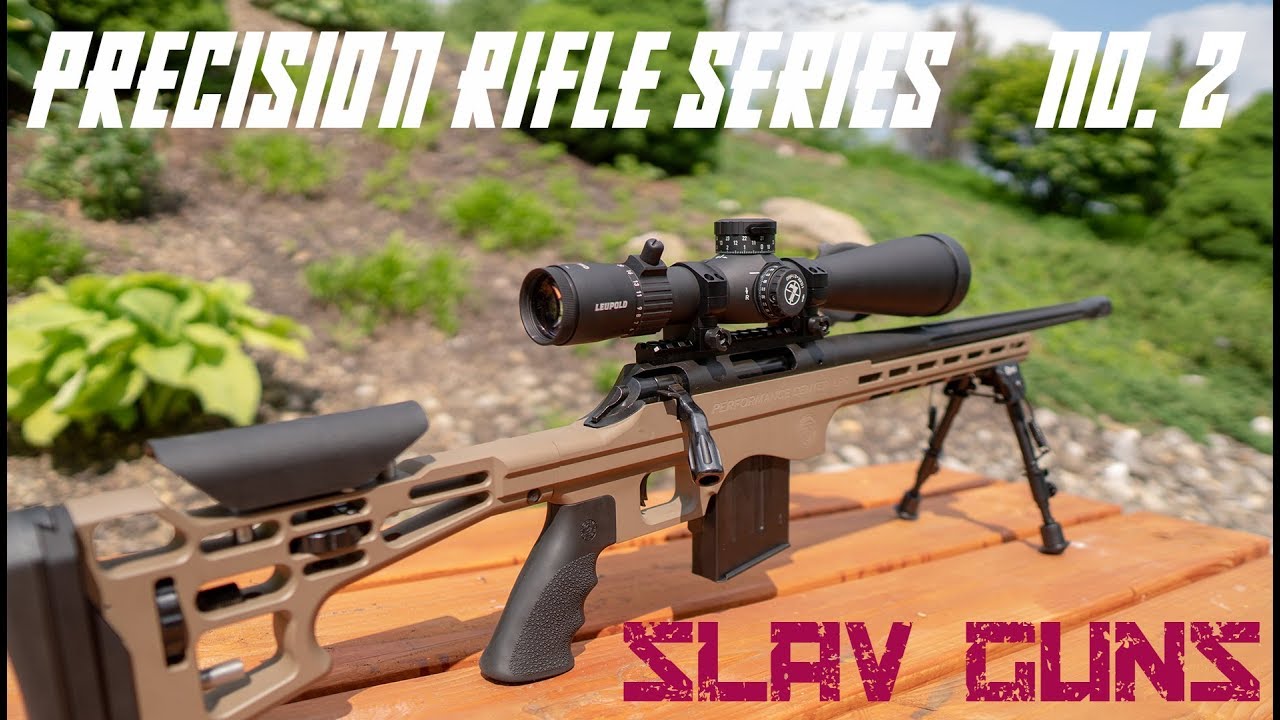
Buying long-range glass is easier than it used to be — and more confusing. More first-focal-plane scopes, more Christmas-tree reticles, and more “good enough” Chinese OEMs sit next to Japanese and U.S. premium lines. This guide walks through the features that actually matter on a precision rifle, using the same framework SlavGuns covered when the channel adopted the Leupold Mark 5HD 5-25×56 as a reference optic in the Precision Rifle Series.
Watch the full video for the Mark 5HD walkthrough, feature checklist, and interview context with Leupold. The notes below are a buying checklist — not a substitute for the tape.
Key takeaways
- Features over brand hype. In the series, SlavGuns treated the Mark 5HD as the “official” comparison optic because it packed features you used to expect only on much more expensive scopes — not because a logo guarantees hits.
- First focal plane (FFP) still wins for dialing and holding. The Mark 5HD sample in the series used an FFP reticle with mil clicks (1/10 mil per click on that setup). FFP keeps subtensions true at every magnification.
- Glass and ergonomics are a system. Magnification range, objective size, turret feel, zero stop, and throw-lever access all show up on the clock when you shoot props or hunt in gloves.
- Match the optic to the rifle and the job. A heavy FFP 5-25 on a bench or PRS-style bolt gun can be perfect; the same scope on a hike-all-day hunting rifle may be the wrong tool.
1. Decide what “precision” means for you
Precision rifle shooting in the SlavGuns series covered factory and chassis bolt guns (including Ruger Precision Rifle and Thompson Center LRR platforms) in cartridges such as 6.5 PRC and .308 Winchester. Your use case drives magnification and travel:
- Centerfire PRS / NRL-style: Usually mid-to-high power FFP, reliable tracking, and enough elevation after zero stop.
- Extended rimfire / NRL22: Often needs more elevation travel than a short-range deer scope; parallax that focuses close matters.
- Hunting: Weight, low-light glass, and a reticle you can still see at dawn often beat max magnification.
2. Focal plane: FFP vs SFP
For dialing and using holdovers at multiple powers, first focal plane is the default recommendation in modern precision glass. Second focal plane can work if you always hold or range at one known magnification — but mixed-power stages punish that habit. The Mark 5HD used in the series was FFP.
3. Turrets, clicks, and zero stop
Look for:
- Click value that matches your dope (mil or MOA — pick one system and stick to it).
- Tactile, consistent detents (play between clicks is a red flag in budget glass).
- A usable zero stop so you can return to zero under stress.
- Enough internal elevation for your farthest realistic target with your rail’s MOA built in.
Exact travel numbers vary by model and sample. Verify current manufacturer specs before you buy; do not assume catalog copy matches every production run.
4. Reticle: clean vs tree
Christmas-tree reticles speed wind and elevation holds; busy trees can clutter the view at high power. Cleaner reticles stay calm for hunting or newer shooters. Illumination helps in dawn/dusk or dark targets — but only if the illuminated portion is useful (full tree vs center cross only).
5. Glass, eyebox, and weight
Bright daylight can hide differences. Push magnification toward the top of the dial and compare edge sharpness, chromatic aberration, and how easy the eyebox is behind awkward positions. Weight is not automatically bad on a bipod or bag gun; it is a tax on a mountain rifle. In later SlavGuns optics videos, mid-tier FFP scopes in the ~35–39 oz class show up often — plan the whole rifle balance.
6. Support and QC reality
Lifetime coverage on paper is not the same as phone support and a clear RMA path. When comparing value Chinese OEMs to brands like Vortex or Leupold, factor who you will call when a turret seizes or parallax is wrong. That theme recurs across SlavGuns budget-glass comparisons.
A simple buying checklist
- Budget band (e.g. under $500 / ~$1,000 / premium).
- FFP vs SFP.
- MIL or MOA — match your data book.
- Elevation travel needed for your farthest shot + rail.
- Reticle style you will actually use under time pressure.
- Weight limit for the rifle.
- Warranty / support path you trust.
Watch the video, then compare specific scopes
Start with the Mark 5HD features episode for the “what matters” framework, then read side-by-sides like Vortex Venom vs Arken SH4 and first looks like the Element Titan. Specs and street prices move — verify current listings.
→ Watch on YouTube: Leupold Mark 5HD & the features you need
Some links are affiliates. Purchases may support the channel at no extra cost to you. Always follow federal, state, and local law. Firearms, ammo, and suppressors ship to eligible buyers only.
Comment here